General Interest
The Feathery Neighbours
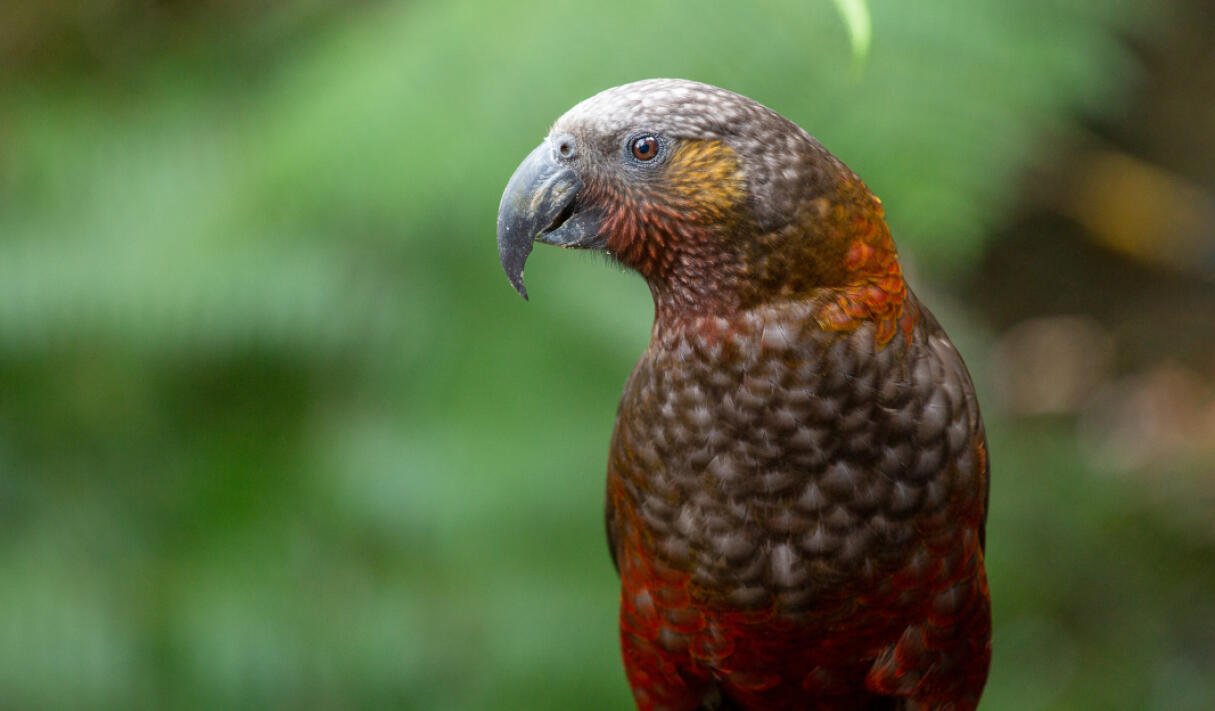
At first the reports sounded almost too good to be true, but the photos soon arrived and confirmed it. The flash of those beautifully coloured underwings left no doubt that a rare visitor had arrived. He was quickly and fondly nicknamed Kevin the kākā, and his appearances became a cheerful talking point across the village.
Kākā are becoming increasingly established in the Kaimai Ranges, and their gradual return to urban areas around Tauranga is an encouraging sign of improving habitat and successful conservation work in the region. This reflects a wider pattern of native forest bird recovery in places where predator control is ongoing. Our own contribution is small, but it feels meaningful to be part of the collective effort happening across the Bay of Plenty.
Summer brought another chapter in the Bay’s birdlife story this time much closer to the ground. A pair of New Zealand dotterels, one of Aotearoa’s most vulnerable shorebirds, chose our spot at Pacific Coast Village to nest. The Grounds and Maintenance team have kept a careful watch and a respectful distance, while local conservation volunteers monitored the nest and hatchlings. Dotterel protection is a major focus of coastal conservation in the region, and seeing a pair successfully nest nearby is a reminder of how closely community life and the natural environment sit alongside each other.
In addition, a lively mix of other species is being spotted around the Pacific Lakes and Pacific Coast villages as regular visitors. Kākāriki (parakeet) occasionally streak past in flashes of green, while kotare (kingfisher) turn up often, perching on fences and lookout points. Mature pōhutukawa trees provide shelter and food, supporting tui and bellbirds, while pukeko are a familiar presence too, with flocks hunting over paddocks and wetland corners. There have also been occasional sightings of karearea (New Zealand falcon) or kahu (harrier). Although they often glide high above, they dart around the predator trap areas, and after the recent rain even more has been seen kiting around.
These sightings sit alongside the wider conservation work undertaken by Pacific Coast and Pacific Lakes Villages. Residents and teams contribute to environmental initiatives throughout the year, including the annual beach clean, now in its fourth year, as well as dune planting, pest trapping and predator control linked to the wider coastal ecosystems. Together, these actions help create a landscape where native species can thrive and where the connection between community and environment continues to strengthen.
Share this article via:
 Facebook